
Top 100 Games: 50-41
Here’s the next 10 of my Top 100. This list is numbers 50-41. If you missed the last 10 you can see them here, Top 100: 60-51.
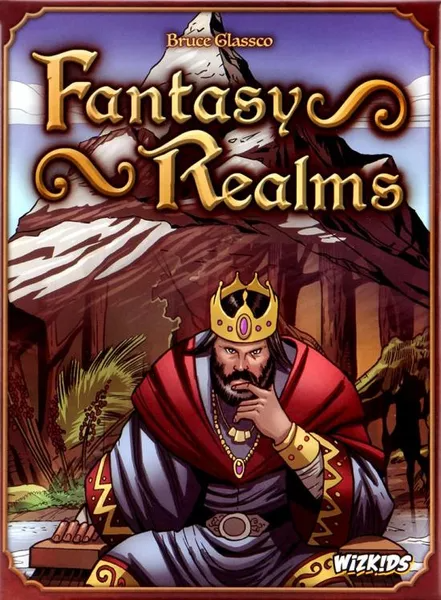
50: Fantasy Realms
2025 Rank: 92
Designer: Bruce Glassco
Publisher: WizKids
Player Count: 2-6
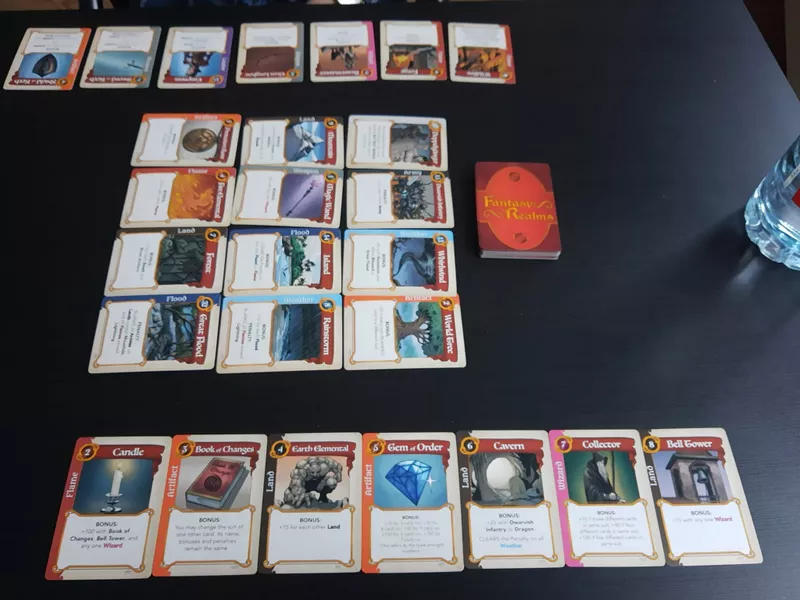
We always joke that this game takes more time to score than it does to play. That's a stretch, but it does play incredibly fast, especially at two. In Fantasy Realms, you're trying to assemble the highest-scoring hand of cards possible. Each card has a base value plus bonus or penalty conditions. Some want you to hold a certain suit, others require or penalize specific cards. Your turn is dead simple. Draw a card from the deck or the discard row, then discard one. The game ends once 10 cards hit the discard row. I always make people score their first game by hand so they understand how it works, but there are plenty of apps and websites to help after that.
49: Sky Team
2025 Rank: 21
Designer: Luc Remond
Publisher: Scorpion Masque
Player Count: 2
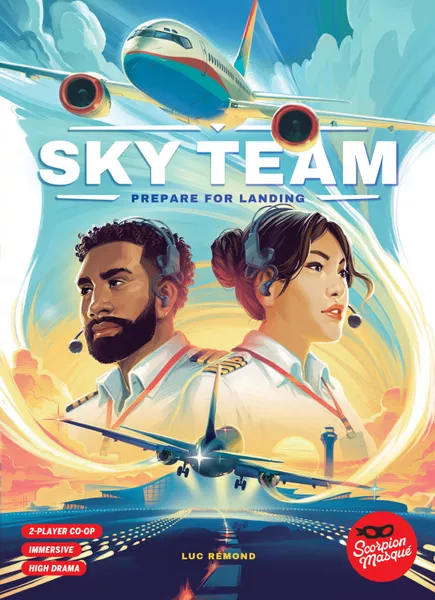
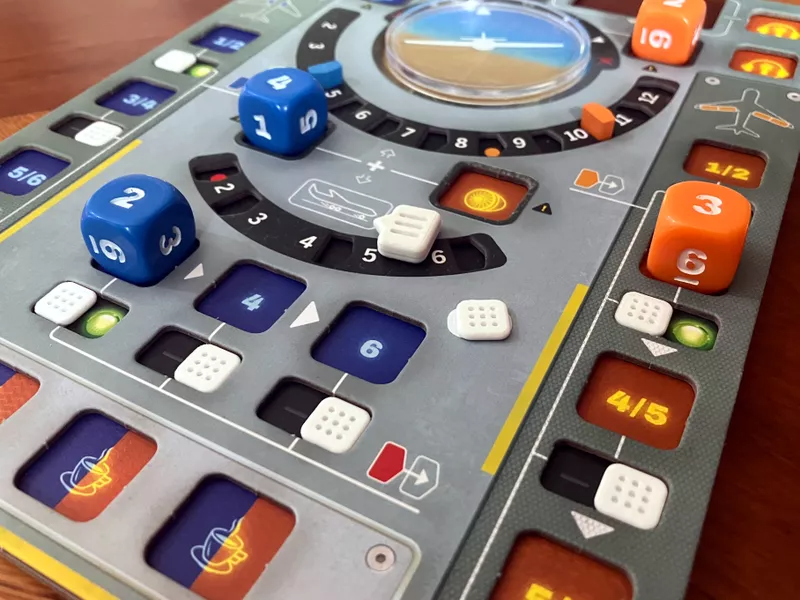
Most co-ops don't shine at two players, so when I heard Sky Team was designed specifically for two, I was already intrigued. I still remember the first time we played. We went seven games in a row in one sitting. That never happens. We just kept trying new airports and layering in new elements. The first scenario is a perfect onboarding experience, and halfway through everything clicks. Later airports introduce challenges that seem impossible until you get tantalizingly close, and then you have to try just one more time. One player is the Pilot, the other the Co-Pilot, and you're landing a plane by placing dice on the board based on their values. You have to manage speed, pitch, landing gear, flaps, and approach, and you can't talk to your partner during a round. You just have to trust that they'll handle their side. It's one of the best cooperative experiences I've ever had.
48: River Valley Glassworks
2025 Rank: New to the list
Designer: Adam Hill, Ben Pinchback, Matt Riddle
Publisher: Allplay
Player Count: 1-5
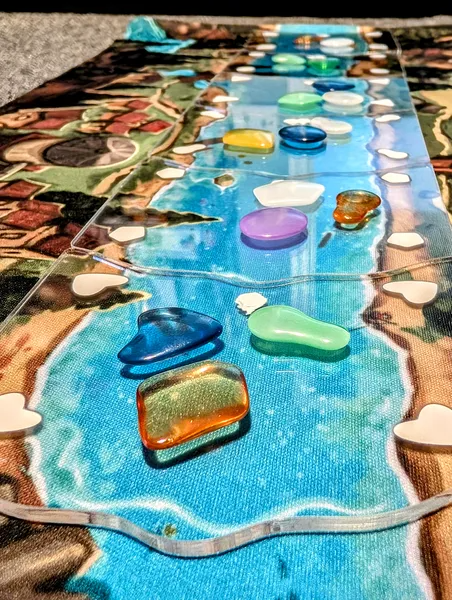
I actually added this to our library and taught it to several groups before I even played it myself. It's a fantastic option for people new to modern board games. The only tricky part is the scoring, and after one 20-to-30-minute game it all clicks. On your turn, you either select a shape of glass and place it on the matching board space, then collect all the glass on either side of where you placed it, or place two shapes of the same type anywhere and take glass from one side. The glass goes onto your personal board, filling columns left to right. One color per column, new colors start new columns, and matching colors stack on top. The game ends when someone hits 17 glass pieces, then you score for your row and your top two columns.

47: Race for the Galaxy
2025 Rank: 61
Designer: Thomas Lehmann
Publisher: Rio Grande Games
Player Count: 2-4
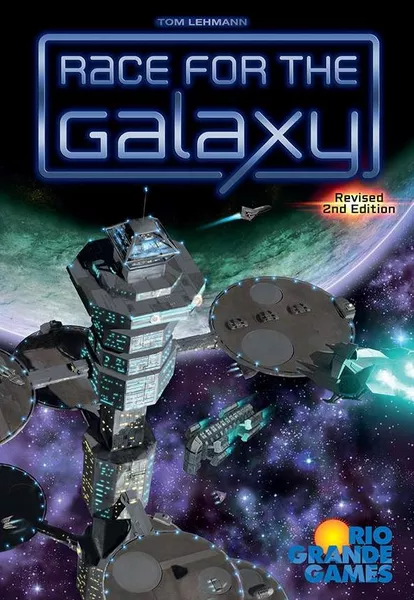
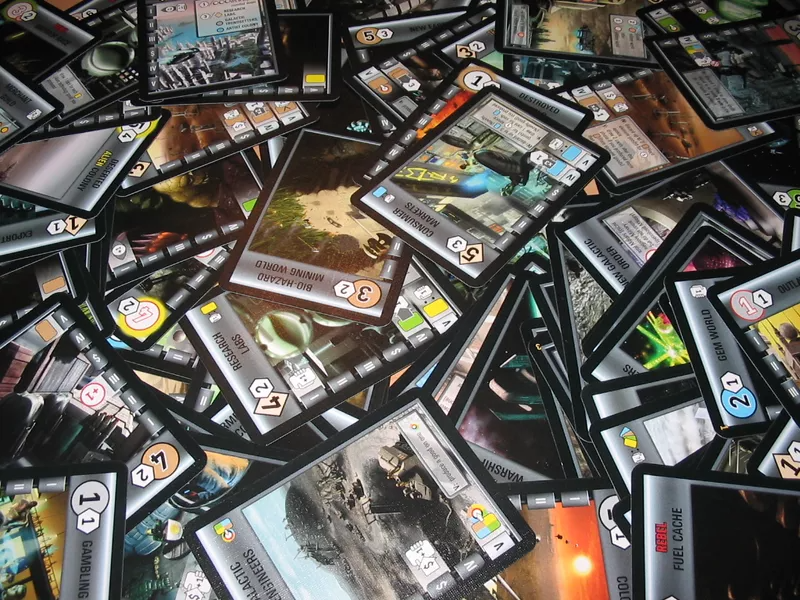
This one is tough for me because I really love it, but I almost never get to play it. The theme, the box, the art, the graphic design. It all works against it. The iconography makes it hard to teach, and games that are hard to teach are hard to get played. But underneath all that is a fantastic game. Each round, every player secretly selects an action. All selected actions happen for everyone, but the player who chose each one gets a bonus. Your goal is to play cards from your hand. Cards act as both the things you play and the resources you spend to play them. The cards you play become worlds that produce goods you can sell for points or more cards, or developments that give you abilities and discounts. When someone builds their 12th card or the last victory point token is claimed, the game ends.
46: Kronologic: Paris 1920
2025 Rank: New to the list
Designer: Fabien Gridel, Yoann Levet
Publisher: Pegasus Spiele
Player Count: 1-4
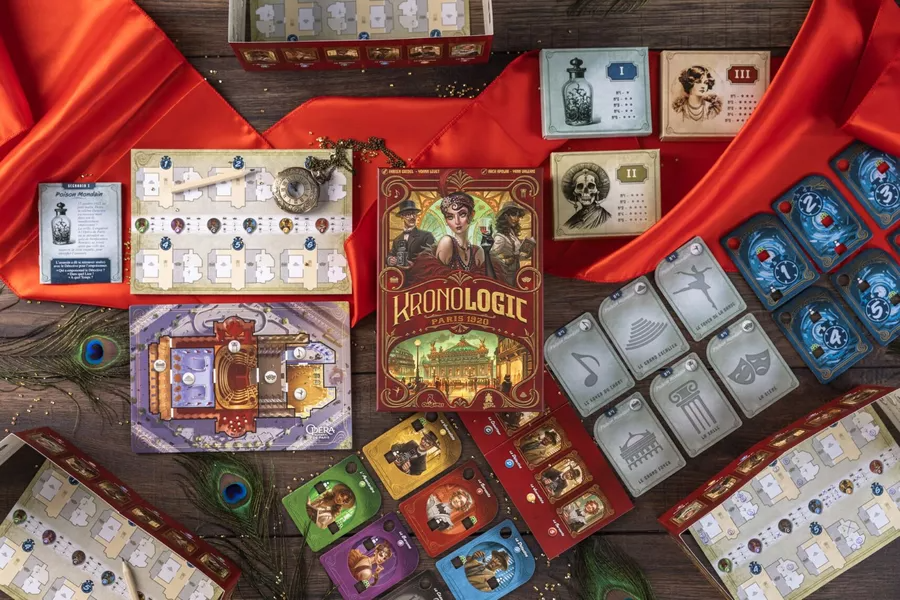
Think Clue, but without the luck of rolling dice, and with a much cleverer information system. In Kronologic, you're racing to be the first player to correctly solve a mystery. The game uses tiles with holes in them layered over cards with strategically placed symbols to create a mix of public and private information. Each scenario in the box has a single correct answer that is solvable using the clue cards. On your turn, you ask the game questions about locations or people, and it feeds you bits of info. Some of it is visible to everyone, some just for you. You use all of that to piece together what happened and solve it first. Each scenario can only be played once by a group, but the deduction is tight and satisfying.

45: Century: Golem Edition
2025 Rank: 33
Designer: Emerson Matsuuchi
Publisher: Plan B Games
Player Count: 2-5
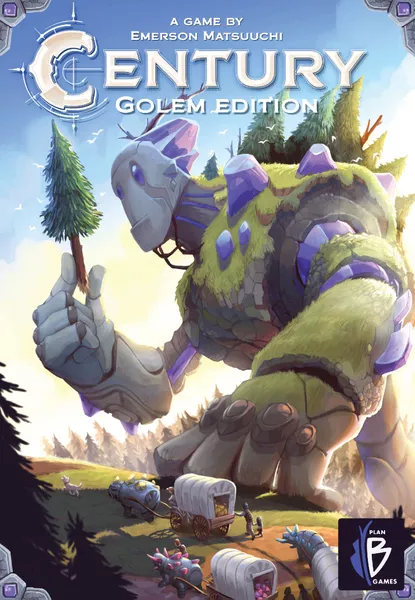
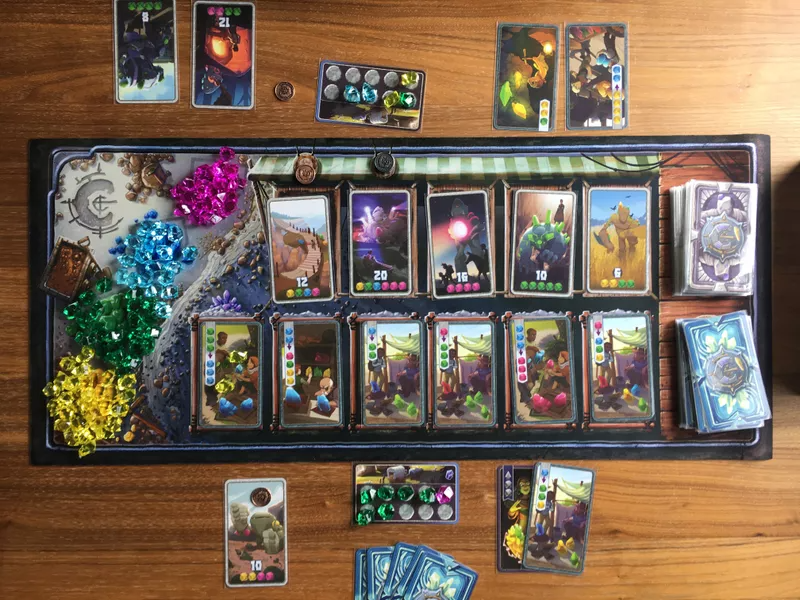
This might be my favorite gateway game. There are two versions (the other is Spice Road), but they are exactly the same apart from the theme. I think the Golem edition looks much better. One of my favorite mechanisms in gaming is when playing a card removes it from your hand until you spend a turn to rest and pick everything back up. I love trying to optimize my hand so I rest as rarely as possible. It's usually not the winning strategy, but I do it anyway. Beyond that, the game is clean and simple. Play a card to collect or upgrade gems, buy a card from the market, buy a golem by spending gems, or rest. Do that until someone purchases the target number of golems, then count up points.
44: Air, Land, & Sea
2025 Rank: New to the list
Designer: Jon Perry
Publisher: Arcane Wonders
Player Count: 2
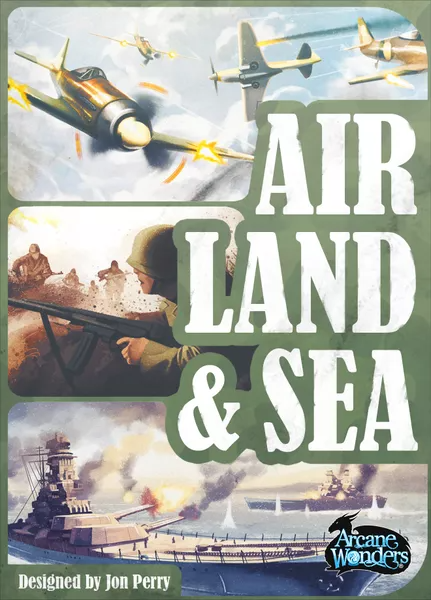
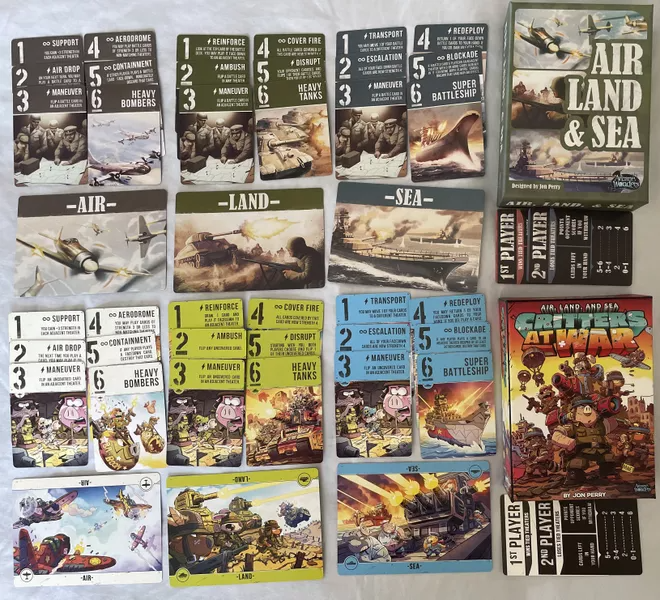
My favorite two-player lane battler. You play cards into three lanes (Air, Land, and Sea), each with special abilities that bend the rules in interesting ways. The smartest element is the scoring system. Finishing a round and winning earns you 6 points, but if your opponent concedes early, they give you fewer points based on how many cards they still had in hand. So there's a constant push-pull of deciding whether to fight for the full win or cut your losses and concede cheaply. First to 12 wins. Games are short, decisions are sharp, and it rewards repeat play.
43: Tag Team
2025 Rank: New to the list
Designer: Gricha German, Corentin Lebrat
Publisher: Scorpion Masque
Player Count: 2
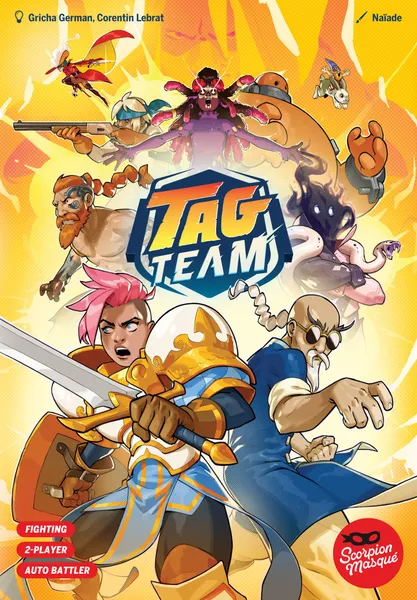
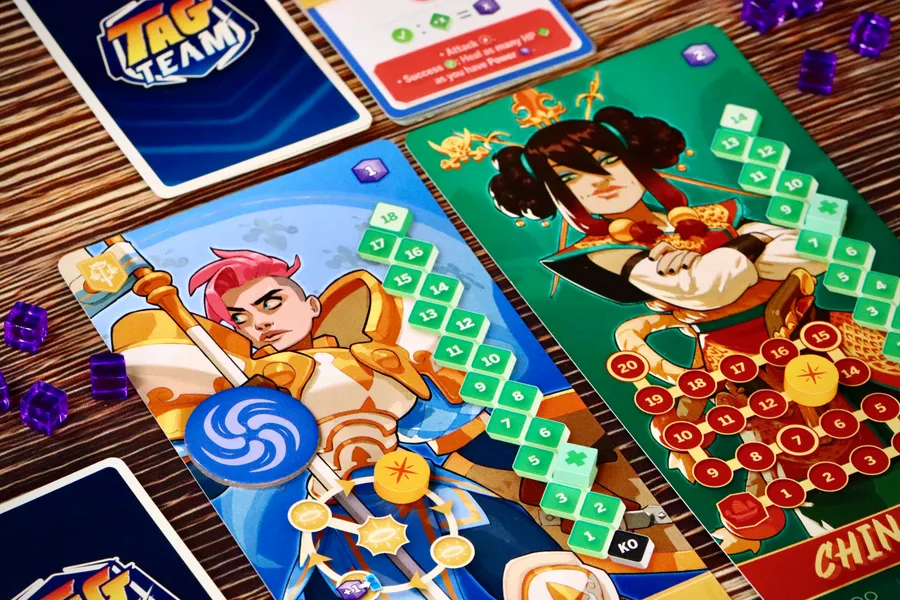
In the last few years I've shifted toward simpler games, and Tag Team is a great example of that shift. It takes the classic card game War and adds just enough decision-making to make it interesting. This is an "auto battler," meaning the decisions are made before the actual battle, and then the players get to watch it play out. You pick a team of two characters, each with their own deck, shuffle them together, and go head to head. On each turn there are only two decisions. Which card do you take and where do you place it in your hand. Your hand is your battle lineup. When combat triggers, you flip the top card of your deck, your opponent does the same, and you resolve the effects. It's fast, it's satisfying, and individual games can wrap up in 2 to 10 minutes before you shuffle up and go again.
42: World Wonders
2025 Rank: 73
Designer: Ze Mendes
Publisher: Arcane Wonders
Player Count: 1-4
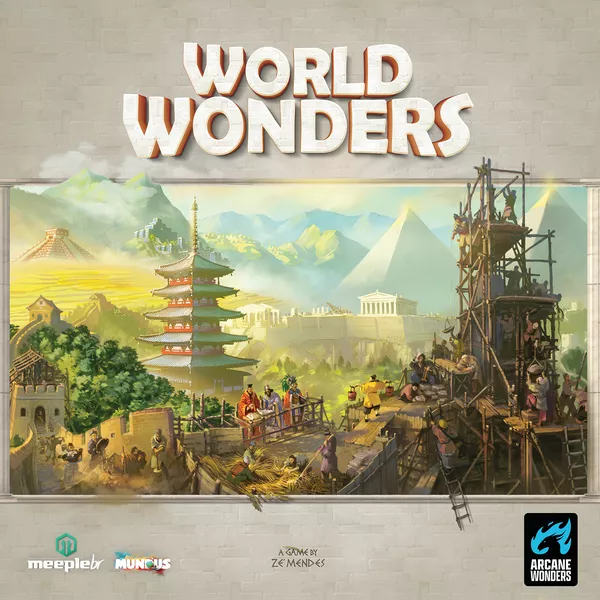
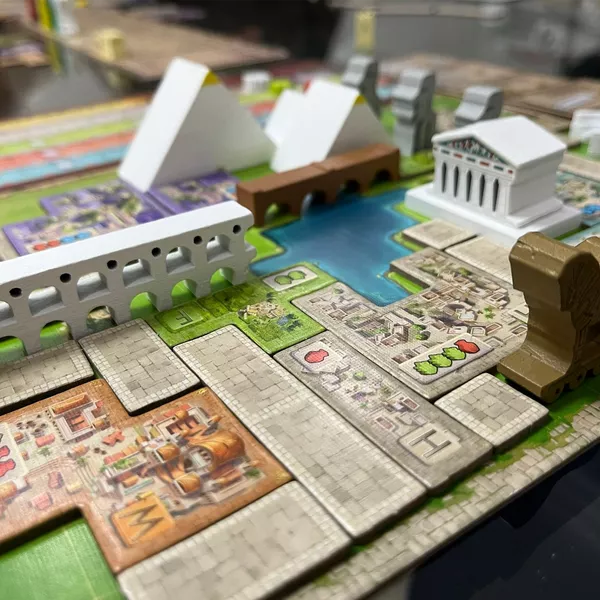
Even when you lose at World Wonders, you'll be proud of what you built. Each player constructs a city on their personal board, filling it with buildings, roads, and most importantly, wonders. The wonders score the big points, but you need the supporting infrastructure of buildings and roads to place them. Each round starts with 7 gold, which you spend on buildings at varying costs. Wonders cost whatever gold you have left, so if you want a specific one, you might have to outspend everyone else to secure it. Once you're out of gold, you're done for the round. The game wraps up after 10 rounds, and you get to admire your little city.
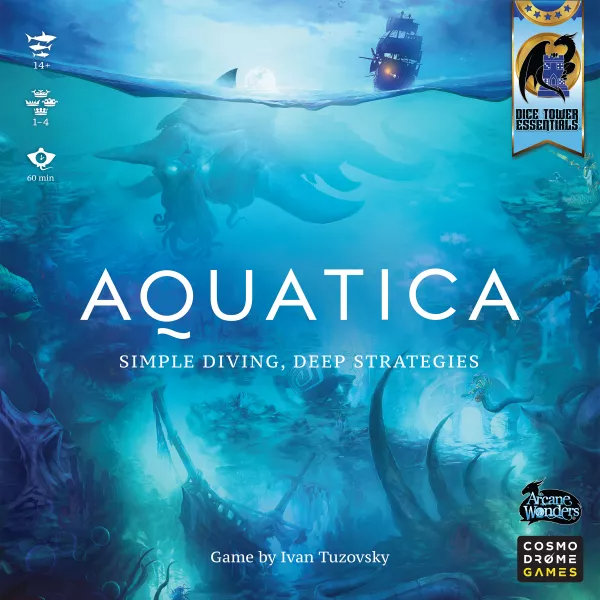
41: Aquatica
2025 Rank: 65
Designer: Ivan Tuzovsky
Publisher: Arcane Wonders
Player Count: 1-4
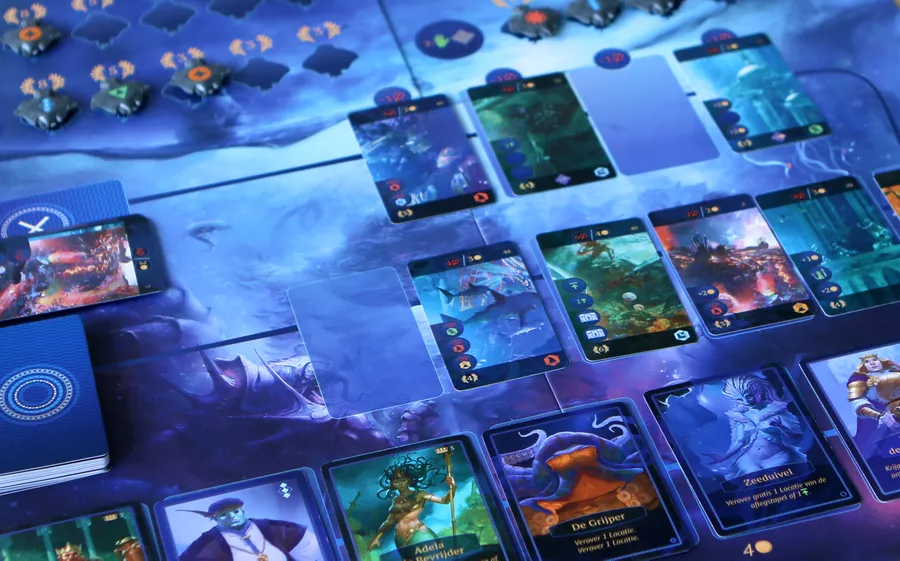
Aquatica has a mechanism I haven't seen anywhere else. Each player has a board with 4 slots, each holding one card that slides under the mat. As you consume a power or resource on a card, you slide it up, and when it reaches the top, you score it. It also uses the same play-and-rest card mechanism as Century: Golem Edition, where played cards don't come back until you spend a turn to recover them. The underwater theme is well-integrated, and the engine you build feels personal. I should be bringing this to game nights more often, especially for folks who have a few modern games under their belt already.